Hiking on the Kenai Peninsula

Guide to Hiking on the Kenai Peninsula
Staying in Seward places you in the heart of some of the most accessible and diverse hiking on the Kenai Peninsula. With trails that begin right in town and others just a short drive away, it is easy to mix casual walks with full-day adventures. From waterfront paths to alpine climbs, these Kenai Peninsula hikes highlight the variety that makes the area such a rewarding place to explore on foot. The Nauti Otter Inn offers a convenient home base for reaching many of these trailheads without long travel days, allowing more time to enjoy the experience itself.
Waterfront Trail
Running along Seward’s shoreline, the Waterfront Trailoffers an easy and scenic way to explore town on foot. Covering 1.9 miles on a paved surface, this trail passes City Park, where RVs often line the water, and continues alongside the Seward Lagoon. Fishing activity is common at the lagoon culvert, and wildlife sightings are frequent throughout the year. Harbor seals, otters, bald eagles, and even the occasional whale are often spotted from the trail. Because the route is flat and fully paved, it works well for visitors with mobility challenges and for families with young children.
Two Lakes Trail
Tucked just beyond the center of town, Two Lakes Trail provides a quick escape into the woods. This easy 0.9-mile loop wraps around two clear lakes and finishes near a small waterfall. Although short, the trail includes gentle rises and dips that give it the feel of a true forest hike. It is a good option when you want time on a trail without committing to a longer outing. During the right season, berries along the path encourage a slower pace and plenty of pauses.
Exit Glacier
Few hikes on the Kenai Peninsula offer the same combination of scenery and context as Exit Glacier. The 2.2-mile route is rated easy, but the experience begins well before stepping onto the trail. Along Exit Glacier Road, dated signs mark the glacier’s historical positions, showing how dramatically it has receded. Many hikers stop at the ranger station to check trail conditions, learn about wildlife activity, and review maps of the surrounding ice fields. The River Trail portion is ADA accessible and suitable for all ability levels. Continuing toward the glacier itself involves a gradual climb with several resting spots, and the final overlook provides close views of the ice and a noticeable flow of cool air.
Lowell Canyon
An afternoon in Lowell Canyon is defined by the constant sound of flowing water. This easy 1.6-mile hike follows the creek between Bear Mountain and Mount Marathon, with the path winding over rocks and through sections of brush. The trail stays close to the water for much of the route, creating several natural places to stop and sit near the stream. Many hikers enjoy taking a break to cool their feet before continuing on.
Bear Lake
Just a short drive from The Nauti Otter Inn, Bear Lake is a popular option for those looking for a longer but still manageable outing. The 4.3-mile trail is rated easy and includes only a few gradual inclines. Parking is along the street near the trailhead, so care should be taken not to block driveways or leave valuables behind. When street parking is full, limited space is sometimes available near the kayak launch just before the sharp turn in the road. A creek crossing is part of the hike, and conditions vary depending on water levels. During salmon season, the creek becomes a prime viewing spot, and berries line the trail later in the year. Bear activity is evident along the path, making noise and carrying appropriate deterrents important. Even hiking the first mile provides excellent lake views before turning back.
Vagt Lake Trail
Families often choose Vagt Lake Trail for its straightforward route and open views. This easy 3.4-mile hike follows a well-maintained path to the lake, where many hikers decide to turn around. Those who continue will find the trail extends farther beyond the shoreline. Mosquitoes can be intense during the summer months, so insect repellent is essential and should be reapplied as needed.
Victor Creek Trail
Following the course of Victor Creek, this moderate 3.2-mile hike offers steady water views throughout. Parking is limited and located beside the bridge, with a sign marking the trailhead. If the sign is not visible, the starting point has likely been missed. Washouts have caused reroutes in the past, but the trail remains generally well marked and maintained, making it a solid choice for hikers comfortable with moderate terrain.
Ptarmigan Creek Trail
Ptarmigan Creek Trail combines easy walking early on with more demanding conditions later in the hike. Rated moderate and stretching 6.8 miles, the trail begins near a campground with ample parking. The first mile is well maintained and heavily traveled by both hikers and campers. Continuing farther leads to berry patches and a lake that is popular for swimming. Summer growth and elevated footpaths create challenges in later sections, so preparation is important. Bringing swimming gear is worthwhile for those planning to reach the lake.
Lost Lake
Lost Lake stands out among Kenai Peninsula hikes for its size and flexibility. This 13.8-mile moderate route offers several options, making advance planning essential. Parking is available at the Seward trailhead, and the main path is clearly identified and maintained. Vegetation becomes thick in summer, and insects are persistent, so protective clothing and repellent are important. Early in the season, snow may linger at higher elevations, making navigation more difficult. Cell service is limited, so maps should be downloaded in advance. The lake sits about 7.5 miles from the trailhead and works well as a turnaround point. Continuing onward connects to the Primrose Trail and requires transportation planning.
Greyling Lake Trail
Greyling Lake Trail is a favorite summer hike, particularly for those interested in fishing. Covering 3.4 miles and rated moderate, the trail begins at a well-marked trailhead with ample parking. Boardwalks and bridges cross swampy sections, and the route remains well manicured throughout. The moderate rating reflects the length and a few inclines rather than technical difficulty. The trail crosses a railroad track and passes through forest, marshland, and open meadow before reaching the lake. A swim at the end is a popular way to finish the hike.
Mount Marathon
Rising directly above Seward, Mount Marathon offers several routes that combine to form a challenging but rewarding moderate hike. The full route covers about 4.0 miles with significant elevation gain. Parking is available along the street near the base. The climb begins on the gravel Jeep Trail and transitions to the Skyline Trail when the road ends. After a brief stretch through a valley, the ascent steepens. The trail can be slick during or after rain. Some hikers rest in the bowl area before continuing to the summit. Multiple descent options exist, including returning via Skyline or using the steeper Racers Trail.
Caines Head
Caines Head is one of the most demanding hikes near Seward and requires careful planning. This hard 14-mile route begins like the Tonsina trail, continuing along the beach beyond the campground. Hikers then follow the shoreline to Derby Cove before connecting with marked trails that lead to North Beach, Fort McGilvray, and South Beach. Timing the hike with the tides is critical, as poor planning can leave hikers stranded. Options include renting the Derby Cove cabin, camping on maintained pads, or arranging a water taxi. Primitive outhouses are available, and cell service is surprisingly reliable along much of the route. Fort McGilvray sits high above the sea and offers expansive views with a distinctly eerie atmosphere.
Bear Mountain
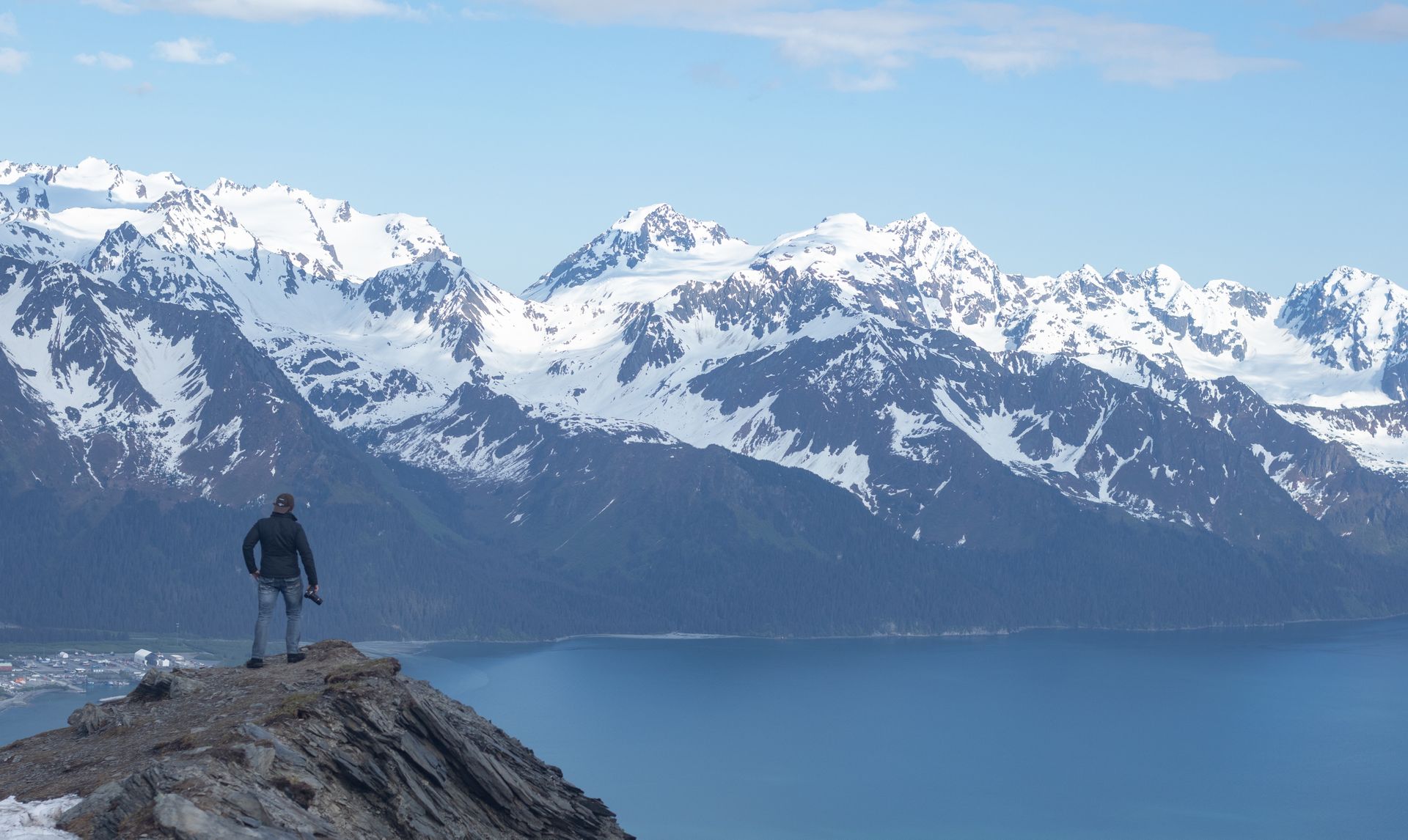
Steep, direct, and demanding, Bear Mountain is a hard 3.5-mile hike that rewards effort with sweeping views. There is no designated parking at the trailhead, and many hikers park near St. Peter’s Church before searching for the unmarked entrance hidden in brush and grass. The climb begins immediately and remains steep for most of the route. Loose shale and slick footing make good footwear, gloves, and protective clothing important, especially on wet days. Trekking poles or a sturdy stick can help with balance. The area provides ideal bear habitat, making wildlife awareness essential. From the summit, hikers are rewarded with panoramic views of the bay, surrounding mountains, and varied terrain below.
After a full day on the trail, having a comfortable place to return to makes all the difference. Whether you spend the morning walking along the waterfront or tackle a longer Kenai Peninsula hike in the mountains, Seward offers easy access to it all. Staying at The Nauti Otter Inn puts you close to many of these trailheads while still providing a quiet place to rest, reset, and plan the next adventure. From short walks to full-day hikes, the Kenai Peninsula rewards those who explore it on foot, and Seward is an ideal place to begin.
Recent Posts